Why Rekeying Your Locks Is Essential: Professional Advice and Local Services at Your Disposal!
Rekeying locks plays an essential role in improving residential security. This becomes especially critical following significant life events, including a move or the end of a relationship. This process renders old keys ineffective, guaranteeing that unauthorized persons are unable to gain entry to your property. Knowing when and how to rekey your locks can significantly affect your overall security. However, not every rekeying service offers the same level of quality. Selecting the appropriate service for your needs can truly change the outcome.
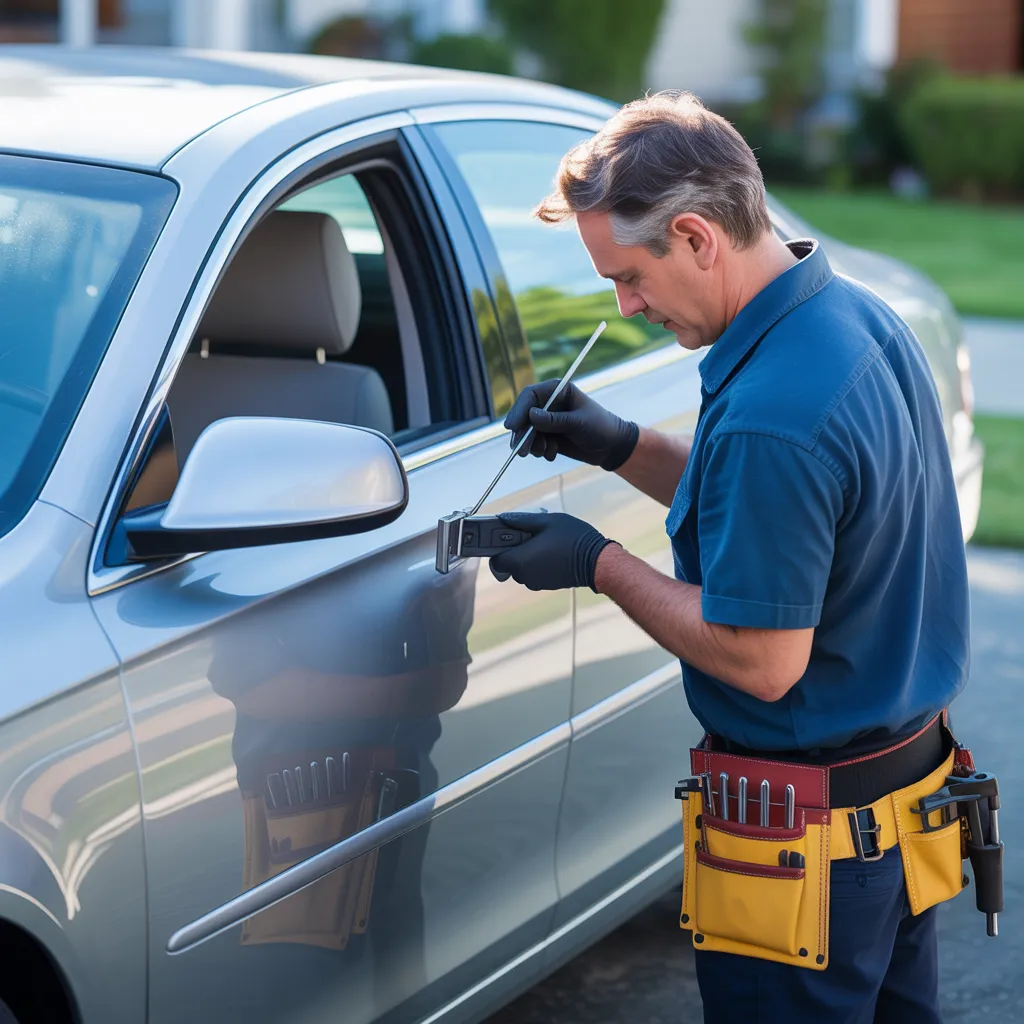
Why Rekeying Is Vital for the Safety of Your Home
Rekeying is crucial for enhancing a home's safety, especially when there are concerns about unauthorized access. This method includes modifying the internal components of a lock, invalidating existing keys while offering new keys that operate flawlessly. Residents commonly face scenarios where prior keys might still be accessible, such as following a move or after misplacing a key. By having the locks rekeyed, they guarantee that only trusted individuals retain access to their property.
In addition, rekeying serves as an affordable option compared to replacing whole lock systems. It not only enhances security but also delivers peace of mind. Skilled locksmiths can efficiently complete this task, typically within one appointment. Regular rekeying can be part of a homeowner's safety routine, adapting to changes in living arrangements or security needs. In the end, emphasizing rekeying adds significantly to a home's comprehensive security plan.
When to Think About Rekeying Your Locks
Homeowners should consider rekeying their locks in various situations to maintain security. A frequent situation arises when homeowners relocate to a new property; past tenants could potentially still have entry to the property. In the same way, following a divorce or separation, rekeying ensures that a former partner is unable to access the home. Additionally, if a key is lost or stolen, it poses a significant security risk, making rekeying a prudent choice.
When lockouts occur regularly or a lock mechanism begins to show signs of deterioration, rekeying may prove to be a practical solution. Homeowners may want to rekey during routine security upgrades, especially if they are integrating advanced security systems. Additionally, when there is worry about keys being copied without permission, rekeying delivers much-needed reassurance. By addressing these situations promptly, homeowners can enhance their security and protect their property effectively.
Understanding How Rekeying Works: A Simple Overview
Altering the inner mechanisms of a lock can greatly boost security without the need for a full replacement. Rekeying requires changing the lock's internal pins and springs to generate a new key that functions with the lock while making the old key obsolete. This process begins by taking apart the lock cylinder, where the old pins are extracted and swapped for new ones of different sizes. Each individual pin matches a specific depth on the new key. Once reassembled, the lock can only be opened with the newly cut key. The whole process generally requires less time than a full lock replacement and is often more cost-effective. Additionally, rekeying allows homeowners to maintain their current locks while improving security, particularly after misplacing a key or relocating to a new residence. This method provides peace of mind without the expense and effort of a complete lock replacement.
How to Select the Best Rekeying Service
Selecting the right rekeying provider can greatly impact the reliability and dependability of the security improvement. When choosing a provider, it is important to consider the company's credibility. Reading online reviews and gathering referrals from reputable individuals can help identify trustworthy specialists.
Additionally, validating the qualifications and expertise of the locksmith is important. A licensed and bonded locksmith usually provides a greater standard of service. It's also beneficial to inquire about the methods and equipment they apply, as advanced approaches can boost overall security.
Transparency in pricing is another important factor; a reliable company will deliver honest estimates free of unexpected costs. Furthermore, evaluate the scheduling flexibility of the locksmith. A provider with adaptable availability can respond to emergency situations efficiently. By evaluating these criteria, individuals can make an informed decision, securing their rekeying needs are met efficiently and effectively.
What You Should Expect When Paying for Rekeying
When considering the price of having locks rekeyed, people should be aware of the several aspects that impact rates. These can include the complexity of the lock mechanism and the service providers in the area on offer. Knowing these aspects will assist in making an informed decision and planning accordingly about costs.
Exploring Rekeying Costs
Comprehending the pricing associated with rekeying locks is important for homeowners who value safety and ease of use. Generally, rekeying services range from $20 to $50 per lock, based on the location and service provider. This fee may go higher if additional locks are involved or if unique lock types require attention. Property owners should also consider possible travel charges if the locksmith is expected to travel a significant distance. While certain homeowners may prefer DIY rekeying kits, enlisting a trained expert confirms the job is done correctly and securely. Ultimately, investing in professional rekeying services not only strengthens protection but also provides peace of mind, making it a worthwhile consideration for all residents.
Factors Affecting Pricing
Several factors influence the cost of lock rekeying, making it important for property owners to be familiar with what to expect. To begin, the type of lock plays a crucial role; high-security locks often demand specialized tools and expertise, leading to higher learn about this costs. Moreover, the quantity of locks requiring rekeying significantly influences the overall cost; having numerous locks rekeyed typically brings volume savings. Service charges can vary based on the provider and regional area, with metropolitan regions often commanding greater fees. Lastly, if extra services, such as emergency or off-hours assistance, are required, these can add to the overall cost. Homeowners should gather estimates and weigh these aspects to prepare adequately for professional rekeying solutions.
Nearby Service Choices
Nearby service choices for rekeying locks can greatly vary, offering homeowners numerous options suited to their specific requirements. Many local locksmiths supply traveling services, enabling professionals to visit the home directly. This benefit commonly encompasses same-day appointments, which may be critical for emergency circumstances. Pricing may depend on the complexity of the locks and how many keys are required. Homeowners should expect transparent estimates before work begins, often including a breakdown of labor and materials. It proves beneficial to review area testimonials and qualifications to confirm trustworthiness. Moreover, select supply stores present rekeying services as a substitute, which could prove more cost-effective for individuals at ease with self-service tasks.

Best Local Rekeying Services in Your Area
Securing trustworthy rekeying services can substantially boost home security. Local locksmiths often provide specialized rekeying services that cater to various needs, from domestic residences to commercial properties. It is essential to consider client feedback and ratings to find reliable experts.
Numerous cities feature locksmiths on call around the clock, guaranteeing quick access to rekeying services in times of need. A number of well-established businesses supply mobile services, permitting technicians to reach the client's premises quickly. Additionally, local hardware stores may carry rekeying kits for DIY enthusiasts, though hiring a trained technician is suggested for the highest quality finish.
Additionally, community suggestions can lead to identifying underrated experts that may not advertise widely. By reviewing potential candidates and searching for experienced locksmiths, property owners can be certain their rekeying demands are handled properly and thoroughly. Implementing these strategies can bring about improved peace of mind relating to household safety.
Common Questions and Answers
Can I Rekey My Locks Myself, or Should I Hire a Professional?
Lock rekeying is a task that can be handled by those knowledgeable about the procedure, but enlisting the help of a professional ensures the job is done correctly and securely. Evaluating one's abilities against the possible risks frequently results in improved outcomes when professional help is sought.
How Long Does the Rekeying Process Typically Take?
The rekeying process generally takes around 15 to 30 minutes per lock, depending on the lock's complexity and the expertise of the technician. A skilled professional can ensure accuracy and efficiency, reducing the likelihood of issues during the process.
Can Rekeying My Locks Invalidate Any Warranties?
The process of rekeying locks generally does not void warranties, as most lock manufacturers support this practice. That said, it is wise to carefully examine the warranty terms or speak directly with the manufacturer to confirm compliance and steer clear of unintended complications.
What Tools Do Professionals Use for Rekeying Locks?
Skilled technicians generally use tools including a rekey kit, a set of screwdrivers, needle-nose pliers, and a cylinder plug follower. Such equipment aid in breaking down the lock components, replacing pins, and ensuring proper functionality when the rekeying procedure is finished.
How Often Should I Consider Rekeying My Locks?
Professionals advise rekeying locks on a regular basis or promptly upon key loss, relocating to a new property, or experiencing a security breach. Regular rekeying strengthens protection and confirms only authorized individuals have access to the premises.